NYCU LIBRARY · 2026 Library Guide for New International Students
NYCU LIBRARY · 2026
Library Guide for New International Students
Start by activating your library privileges, setting up library entry, and using NYCU Library Search. This guide also introduces campus libraries, collections, e-resources, Carrels, study spaces, interlibrary services, and new student events.
01
Start with Library Services
Complete these steps before borrowing materials or using selected online services.
Official Students
Activate Library Privileges
Sign the Statement of Patron’s Privileges before borrowing materials or using selected online application services.
Library Entry
Set Up a Mobile QR Code
NYCU students and registered library users may sign in to generate a QR code for library entry.
Before Registration
Temporary Library Barcode
This service is for newly admitted students who need library access before receiving an official student account.
A Day at the Library
At Guangfu Campus Library, a two-story atrium, a self-playing digital piano, and Phoenix in Graceful Arrival(鳳凰來儀), created by sculptor 楊英風 / YUYU YANG, welcome visitors into the building.
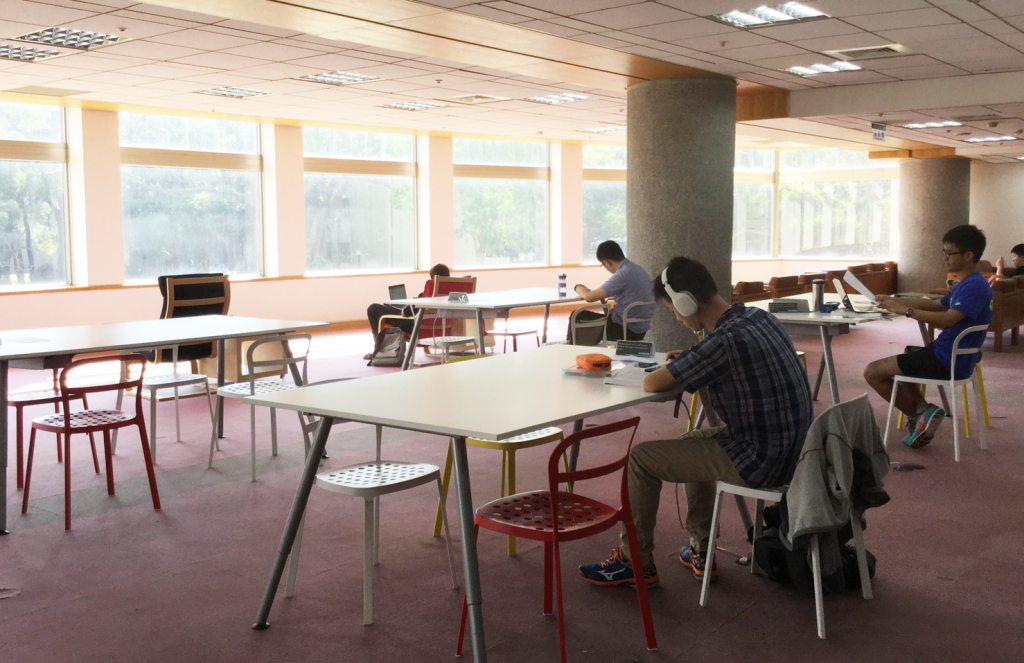
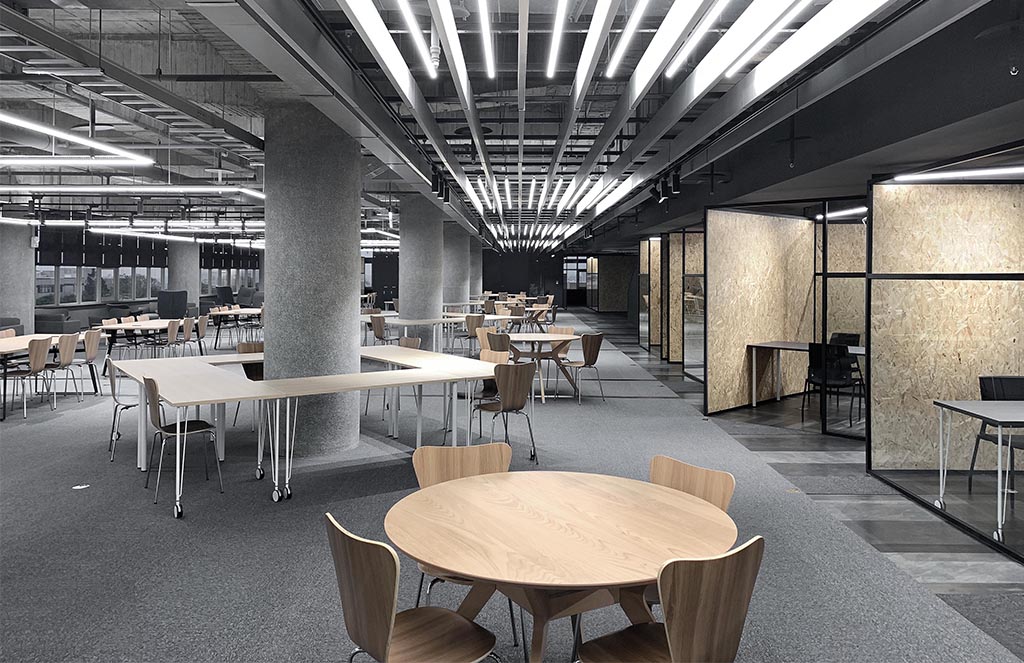
The Library offers quiet reading areas, spaces for group study and discussion, Carrels for focused research or thesis writing, discussion rooms for presentations, and a 24-hour study room for late-night study.
Different floors also provide distinct reading environments, including current periodicals, Chinese-language books, Western-language books, audiovisual materials, and spaces for academic and leisure reading.
02
Campuses and Opening Hours
Collections, facilities, and reservation systems differ between the two campuses.
Taipei
Yangming Campus Library
Located on Floors 1–3 of the Library and Information and Research Building. Facilities include Carrels, discussion rooms, a music listening area, and audiovisual viewing rooms.
Hsinchu
Guangfu Campus Library
The main library service areas are located on Floors 2–7. Facilities include a 24-hour study room, quiet reading seats, discussion rooms, shared spaces, and Carrels.
These are regular-semester opening hours. Hours may change during holidays, examination periods, or semester breaks. Please check the latest opening hours before visiting.
About the Two Campus Libraries
Yangming Campus Library
The Library occupies Floors 1–3 of the Library and Information and Research Building. It has a total area of 8,687 square meters and officially opened in May 2006.
Guangfu Campus Library
The building opened in 1998 and includes eight floors above ground and one basement level, with a total floor area of approximately 32,068 square meters. Floors 2–7 contain the main library service areas.
The building also houses artworks including Phoenix in Graceful Arrival(鳳凰來儀) by 楊英風 / YUYU YANG.
03
Find and Borrow Materials
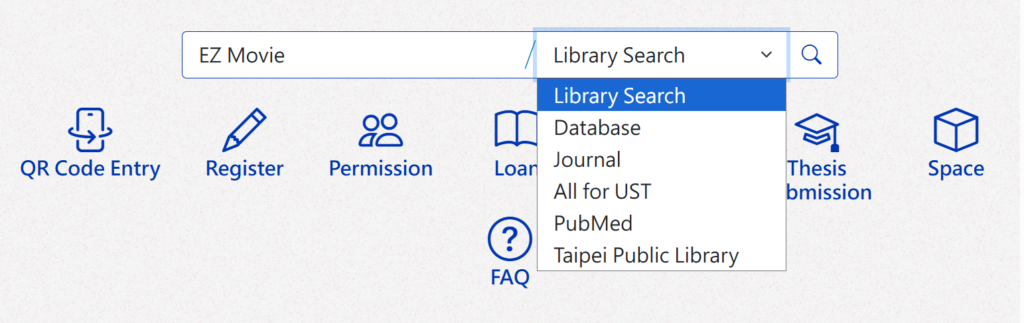
Begin with NYCU Library Search (Primo), then check the location, call number, availability, and online access options.
NYCU Library Search (Primo)
Search for printed books, e-books, journals, journal articles, theses and dissertations, and audiovisual materials.
Borrowing Privileges
Check loan periods, borrowing limits, renewals, holds, and overdue regulations for your user category.
New Arrivals
Browse monthly new book announcements and the archive of earlier acquisitions.
Themed Collections
Explore curated book and film exhibitions on selected topics.
Guangfu Campus Collection Overview
| Floor | Collection | Description |
|---|---|---|
| 2F | Audiovisual Materials | Popular films, television series, music, and related materials. |
| 3F | Periodicals | Current and recent journals in Chinese, Western languages, and Japanese; generally for on-site use. |
| 4F | Chinese Books | Also includes NYCU theses and dissertations, faculty publications, and reference books. Some materials are for on-site use only. |
| 5F | Western Books | Primarily Western-language academic books. |
04
Research Literature and E-resources
Use Library Search for individual materials and Database Search to find specialized databases.
Where Should I Start?
Use Library Search to find books, e-books, articles, journals, theses, and audiovisual materials. Use Database Search to locate a specific database or browse databases by subject.
CORE SEARCH Books, E-books, Journals, and Articles
Search NYCU Library Search for printed books, e-books, e-journals, journal articles, and audiovisual materials. Use filters such as resource type, language, publication date, subject, and availability.
RESEARCH Theses and Dissertations
SPECIALIZED SOURCES Databases by Name or Subject
After selecting a database, use that database’s own search and filtering tools to locate relevant literature, data, news, or other specialized information.
MEDIA Streaming Media and Audiovisual Resources
The Library provides audiovisual collections and licensed streaming resources, including the EZ Movie Digital Public Screening Platform.
AI-ASSISTED DISCOVERY Primo Research Assistant
Primo Research Assistant can support topic exploration, keyword discovery, and the identification of related academic sources. Always verify generated summaries and recommendations against the original sources.
SEARCH SUPPORT Search Guides
The current search guides linked from this page may be available primarily in Chinese. Contact the Library if you need assistance in English.
05
Library Spaces and Facilities
Select a space for individual research, quiet reading, group discussion, or audiovisual use.
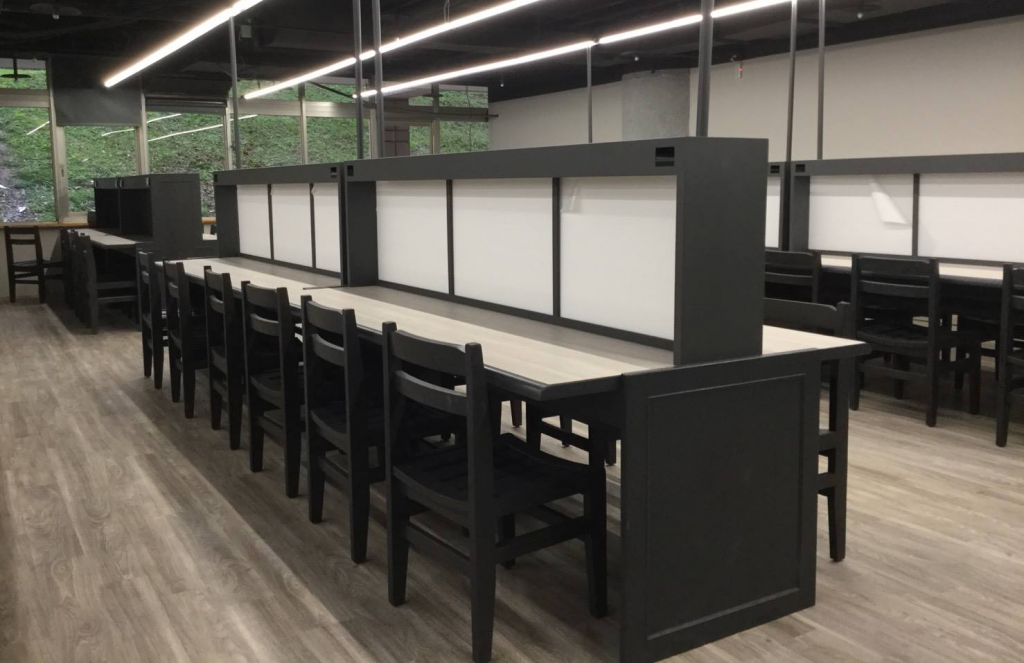
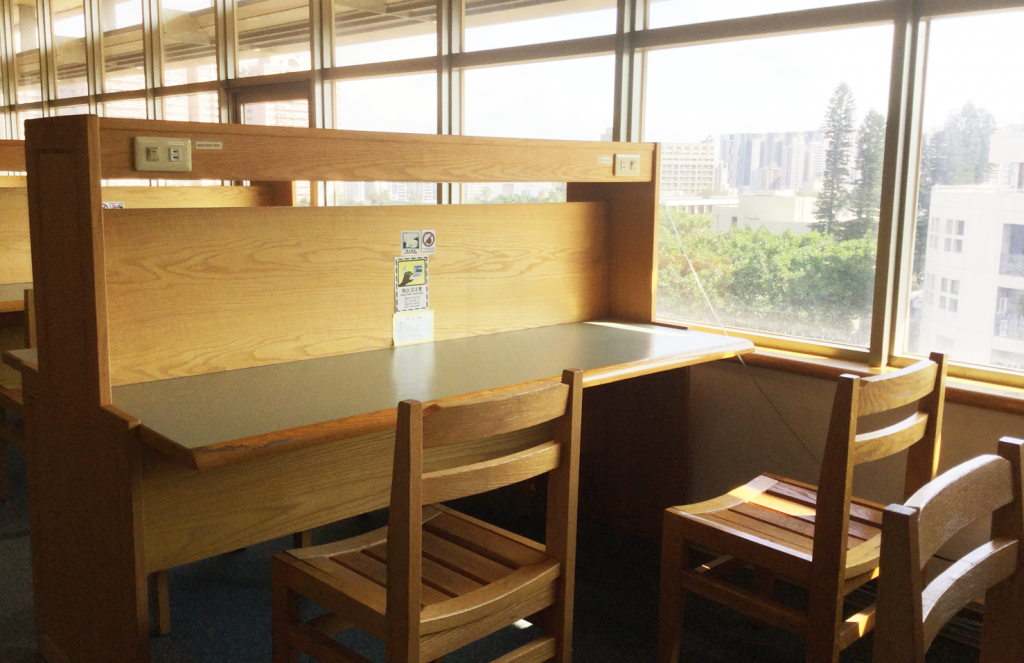
Carrels
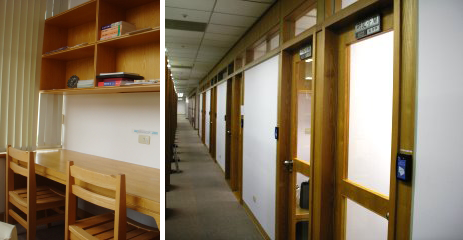
- Yangming Campus: 23 Carrels on Floors 1–3, each for one or two users. They are suitable for research projects and thesis writing.
- Guangfu Campus: Carrels on 7F, available to graduate students and faculty members only.
Discussion and Collaboration
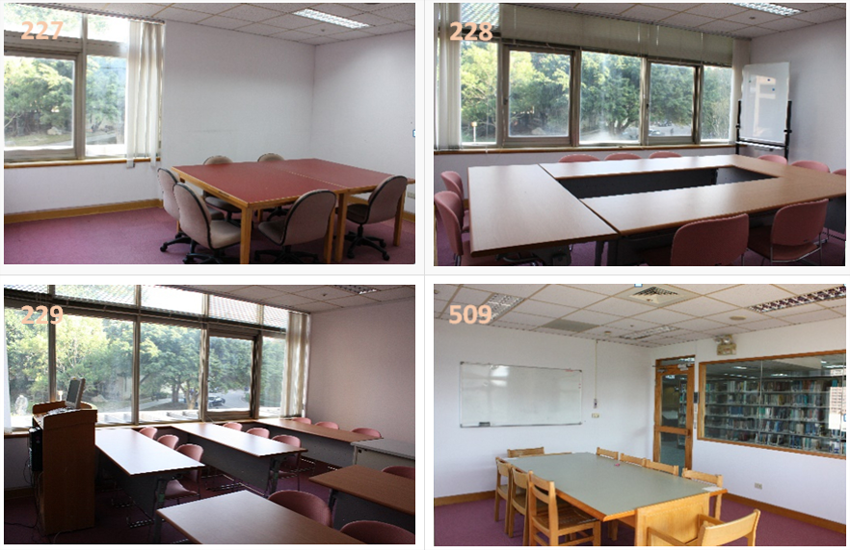
- Yangming Campus: Three discussion rooms in the 2F South Wing. A minimum of three users is required; daily use is generally limited to four hours.
- Guangfu Campus: Discussion rooms on 2F, 5F, and 6F; Multipurpose Learning Space on 2F; Shared Space on 6F.
Quiet Reading and Extended Study
- Guangfu Campus B1: 24-hour study room.
- Guangfu Campus 4F, 5F, and 7F: Quiet reading seats.
Audiovisual Viewing Rooms
The 3F South Wing of Yangming Campus Library has four audiovisual viewing rooms for teaching and film viewing.
Copying, Printing, and Scanning
Check equipment locations, operating instructions, and applicable charges.
View Guangfu Campus Spaces
06
When NYCU Does Not Hold the Material
Use cooperative borrowing services or recommend materials for purchase.
UST Interlibrary Circulation
Eligible users may request books from participating University System of Taiwan libraries, including National Tsing Hua University, National Central University, and National Chengchi University.
Taipei Public Library Cooperation
Eligible NYCU users may use the cooperative borrowing and return service with Taipei Public Library.
Recommend a Purchase
Recommend books, journals, audiovisual materials, or electronic resources needed for study and research. Requests are evaluated according to the collection policy and available budget.
07
Workshops and New Student Events
Develop research, database, and AI literacy through lectures and training sessions.
Research Support from the Library
Explore articles and activities on library services, research resources, database searching, research tools, and responsible uses of AI for learning and research.
2026 New Student Lecture Series@Chiaotung Campus
Research Writing
From Writing to Revision: The Role of AI in Research Communication
Speaker: 盧郁安 / Yu-An Lu|Department of Foreign Languages and Literatures
Venue: International Conference Hall A, B1, Library
Lecture Overview
From course assignments to research papers, this session demonstrates practical uses of AI in organizing ideas, drafting texts, and revising academic work. It also covers research communication documents such as cover letters and response letters, while emphasizing critical thinking and academic responsibility.
Event Information and Registration
UG 26
Interdisciplinary Research
Reflecting on the Integration of Generative AI into Everyday Interdisciplinary Research Work
Speaker: 王邦任 / Dennis Wang|Department of Computer Science and Information Engineering
Venue: International Conference Hall A, B1, Library
Lecture Overview
As generative AI becomes more widely used, researchers are exploring how it can reduce repetitive work, support deeper thinking, align concepts across fields, and assist with unfamiliar methods or theories. 王邦任 / Dennis Wang will share his experiences and reflections on deciding whether and when to use these tools.
Event Information and Registration
Learning Strategies
Learning Attitudes for University Students in a Rapidly Changing AI Era
Speaker: 吳炳飛 / Bing-Fei Wu|Institute of Electrical Control Engineering
Venue: International Conference Hall A, B1, Library
Lecture Overview
This lecture introduces practical strategies for proactive thinking, interdisciplinary integration, continuous learning, effective questioning, and adaptability. It also considers how students can use AI tools thoughtfully while strengthening their ability to learn, practice, and adapt.
08
Contact the Library
Ask for help when you cannot locate a resource, access an e-resource, submit a request, or use your account.
Frequently Asked Questions
Find information about accounts, borrowing, e-resources, space reservations, and other services.
Contact Information
View service desks, telephone numbers, email addresses, and feedback channels for each campus.
News and Social Media